As the headline suggests, there are exactly six weeks left until the run. If you had asked me three weeks ago if I thought I could manage a 10k run without stops before the summer, I'd have replied with a definite No. Then came that moment, the one I had been waiting for but given up hope would ever occur. In the middle of one of the toughest weeks since the baby left my womb, running suddenly got easier.
I managed to run 6k at a decent pace and quicker than any of my previous, shorter, runs. At first I didn't want to believe that it was anything more than one of those unbelievable moments that doesn't really make sense. At the end of that week I got a cold and had to rest for a few days which didn't exactly help keeping my hopes up that my journey had entered a new phase. However, when I got back the week after I certainly felt fitter and gained a new kind of confidence. Then just like that, I managed 8k without even feeling worried that I was gonna collapse halfway through. My latest run was back to the initial distance of 5k, which I now complete more than 10 minutes faster than six weeks ago.
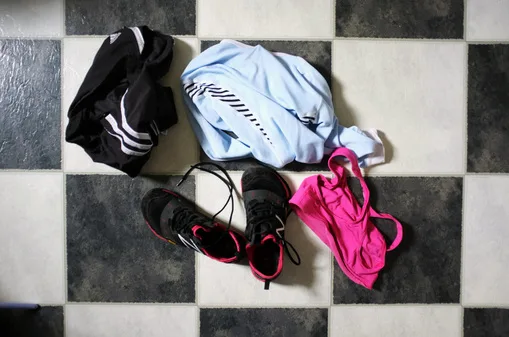
I'm not gonna lie, it's tricky to fit training in when breastfeeding, but from that point of view, I believe running is one of the best exercises to do. You don't need much preparation, spend time travelling to a gym or spend a lot of money on fancy training equipment; shorts, t-shirt, sports bra and decent running shoes - and that's it. You just have to tie the laces and get out there, as my very first wrestling coach said. Easy. What else? I've now got weights at home. A barbell, a dumbbell and about 25 kg of various plates so not much but still something, and that's inevitably better than nothing. As I'm working on endurance, they suit me just perfect to start with. At the moment I'm doing deadlifts, front squats with shoulder press, and bent over rows, 15 reps for 4 sets with 1 minute rest in between.
I've dreamed about the moment I can get back properly on weights for months. It's sweaty and shaky but, oh my word, it's nice.
![]()
Herbert working out. Good thing that at least one of us is progressing quickly.
Three weeks into the running journey, I thought it's time for a status update. I didn't bother tracking the time and pace of my first few runs, mainly because I considered them more of test runs, but now I've reached that moment where it's time to get a little bit more serious than just measuring how fast I run by counting how many tracks on my playlist I go through. By serious I mean that I'm gonna charge my old Nike plus watch and let it do all the work. And that's not even as serious as it sounds - as it turns out - that watch is about as reliable as my son's daytime naps at the moment.
Three weeks ago I was convinced that I'd be able to do my 10k in under 47 minutes, purely by will if nothing else. That goal was quickly adjusted to 50 min, and sadly I've had to extend it even more. My realistic goal is now to manage it in under 60 min. During those weeks I haven't been able to run as often as I would have liked, nor have I been to the gym as much, so naturally I haven't been able to progress as I'd intended. I have decided to not let that bring me down though, I'm just extremely grateful that I'm able to do any sort of exercise in such a short time after the pregnancy.
As well as running I've started doing some core work, at home on the living room floor while Herbert is asleep between day feeds. Not as easy as it sounds as there's no regularity in those naps whatsoever. I've started easy with stability ball rollouts which is a brilliant exercise (http://www.youtube.com/watch?v=Cb7UZqeuMI8) , planks, leg raises and bicycles. I do some hamstring, hip and shoulder work too. I've also been to the gym once and intend to keep going once a week, mainly to do squats, deadlifts and rows.
What I'm not going to do is start taking supplements and that's a big change for me. I'd normally at least take protein and sometimes more stuff both for preparation and recovery. This time I'll stick to coffee and whatever food I can get about that's easily eaten with one hand (while the other one feeds baby). Eggs, fruit, nuts, vegetables, more nuts and peanut butter toast. I have no intention on losing weight while still breastfeeding but I have to put on a bit of muscle mass to be able to improve the runs as much as I want.
There's no point in me exposing my times and pace in detail here but instead of beating myself up which is easily done, I'll focus that I ran my regular route seven minutes faster today than I did three weeks ago, I didn't fall over and hurt my knee, and two hours post-run I don't feel like lying on the floor screaming of pain and puking. That's a good sign hey.
So, if you wonder where I've been for the last year or so, I've been knocked out by a pregnancy. About five weeks back I gave birth to a wonderful little baby and now my aim is to get back into the running shoes and squat rack. I've signed up for the Great Manchester 10k run the 18th of May so I've got three months to sort my body out.
Yesterday I went for a postnatal check up and the doctor gave me green light to get going again, as long as I take it easy (apparently my joints are still effected by hormones as long as I'm exclusively breastfeeding) and tonight was the first attempt at something that reminded me of a run. I did 5.5k, sort of running/sort of jogging - but at least not walking - and that's a big achievement considering I haven't touched my running shoes for more than ten months. Except falling over at one point it even felt pretty smooth. I'd also been walking up town with the buggy earlier in the day and I'm aware that may not sound like much, but if you've ever gone through pregnancy and labour, you know what I'm on about.
Next week I should join the gym and start lifting weights as well. It will certainly be a fascinating experience; having a boy at home completely dependent on me nearly 24/7, having reduced my sleep to a minimum and hardly having the energy to feed myself some days, but I believe it should be possible, otherwise I wouldn't do it. For now, however, it's all about eggs, compression socks and feet up. Have a nice Saturday night.
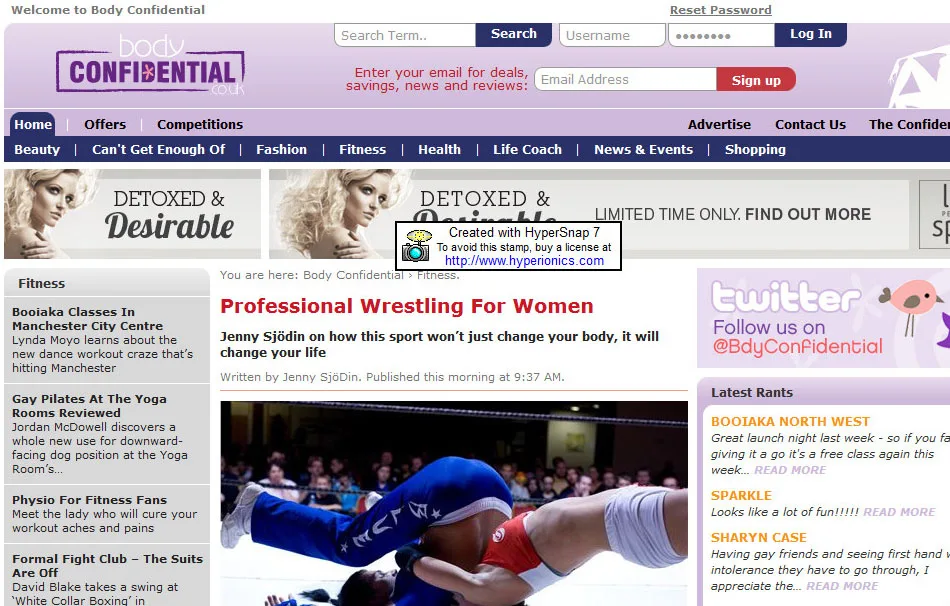
Exciting news. I'm the latest columnist for Body Confidential. My first post is about wrestling and why I believe this sport will turn your life around, physically as well as mentally. Go check it out, and don't hesitate letting me know what you think.
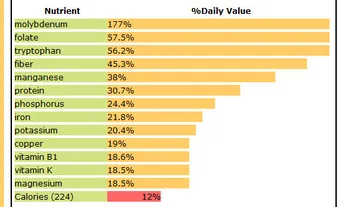
If such a thing as wonder foods exist, kidney beans must easily qualify in the top five. Why? FibersAs the chart shows, a cup of cooked kidney beans provides 45.3 percent of the recommended daily intake of fiber. Soluble and insoluble fibers that are absolutely essential for a healthy heart, and more. Fibers radically decrease LDL cholesterol levels (the bad kind), it improve your body's absorption of minerals and studies have found that it reduce the risk of colorectal cancer. In fact, one study made of 388 000 adults over nine years found that the highest consumers of fiber were 22 percent less likely to die over this period. 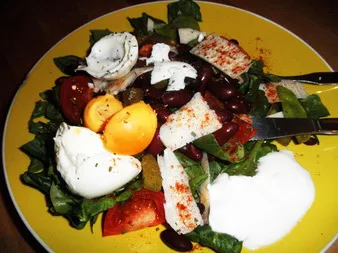 Rocket, tomatoes, kidney beans, boiled egg, parmesan shavings, yoghurt and olive oil. Protein
Their healthy protein content makes kidney beans an excellent food for improving general fitness. Unlike many of the animal proteins, kidney beans contain almost no fats and certainly no harmful ones. Yes, it's classed as an incomplete protein but most of us wouldn't dream of eating only kidney beans anyway. In combination with other food it's a great source of protein.
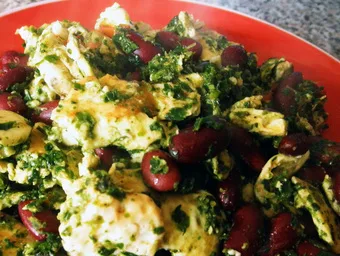 Scrambled eggs, kidney beans and spinach. FolatesKidney beans also contain a high amount of folates, a nutrient that decrease the levels of homocystine. High levels of homocystine in the human body is a factor for heart attack and stroke, and have been found in between 20-40 percent of patients with heart disease. 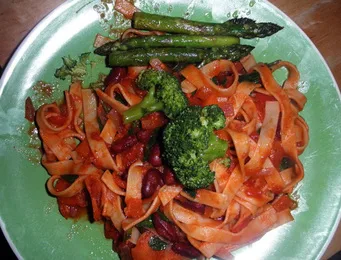 Egg tagliatelle, chopped tomatoes, kidney beans, broccoli, asparagus and squeezed lemon. Magnesium
The red bean also contains high levels of magnesium. Magnesium helps the veins and arteries to breathe and relax which improves the flow of blood, oxygen and nutrients in your body. This is of extra relevance when you're exercising.
![]() Veggie mince, kidney beans, spinach, grated cheese, tomato, leak, creme fraiche and banana tortilla. Iron
A cup of kidney beans contains 21.8 percent of your daily intake of iron. Iron is particularly important during exercise as it's responsible for transporting oxygen in the blood stream. You have an increased need of energy when exercising, a non-sufficient oxygenation means your body can't break down the components it needs for fuel. Symptoms of iron deficiency can be fatigue, dizziness, impaired immune function and general weakness. Certainly stuff that you'd want to avoid when trying to keep active and healthy. 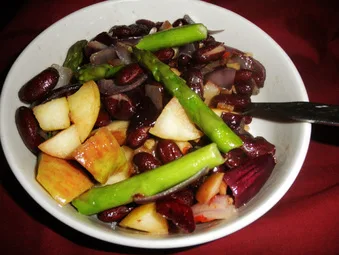 Buttered mix of apple, ginger, red onion, kidney beans and asparagus. The beans would also rank high in terms of versatility. They can be used in pretty much anything. Curry ( check this one out), chilli, bolognese, burgers, salads or just as a side dish on its own. But perhaps the second best thing could be its price. Unlike some of the trendy super-supplements, kidney beans won't ruin your economy. 500g of dry kidney beans usually cost about one pound and in big supermarkets you'll normally get four cans for a pound. No matter if I do strict diet plans or just give my clients vague advice, I'd always recommend to make a daily habit of eating more legumes. Kidney beans in particular. Although it's highly clever to not eat red or processed meat, I wouldn't say that kidney beans necessarily should be seen as a substitute as much as a dietary addition. Adding fiber to any diet is ultimately better than not doing it.
 Research has found that one litre of extra-virgin olive oil per week can increase your longevity. According to new research comparing the Mediterranean diet to a low-fat diet the answer is no. Findings suggest that there are no cardiovascular benefits of the latter. The Mediterranean diet, supplemented with extra-virgin olive oil or nuts, did however associate with greater survival. This diet contained moderate consumption of ethanol, mostly from wine, low consumption of meat and high consumption of vegetables, fruits, nuts, legumes, fish and olive-oil.
This energy-unrestricted diet resulted in an absolute risk reduction of about three major cardiovascular events per 1000 person-years for a relative risk reduction of approximately 30 percent among high-risk persons.
Read more: Primary Prevention of Cardiovascular Disease with a Mediterranean Diet
Someone in my twitter feed asked why she - who's got crazy strong abdominal muscles - hasn't got a flatter belly. It's not the first time this question is raised.
In reality, flat bellies without any sort of pooch or form, hardly exist. If you train your ab muscles or overall core muscles you are likely to get some pooch. It might spread out over your entire torso instead of being centered around your lower belly, but growth is an inevitable consequence of putting muscles under stress.
To get a flatter belly you should effectively strip down to ridiculously low body fat levels and actively not train your abdominals. Even then there are no guarantees. When I've been down to nearly 16 percent body fat, I've still had pooch. Nicely toned superstrong core muscles, but certainly pooch.
 Pooch, even at 16 percent body fat. Photo: Rob Brazier Jr. One of the main things is to look at posture however. Especially anterior and posterior pelvic tilt. A lot of people, females in particular, have postural deviations that create an illusion of pooch that could eliminate quite a bit if they just straightened their posture. To be honest though, I'd recommend to even stop thinking in terms of flat belly and instead focus on keeping strong. Firstly, it's much more attractive and healthier. Secondly, and more importantly, it's actually achievable. Read more: Squat your way to abs
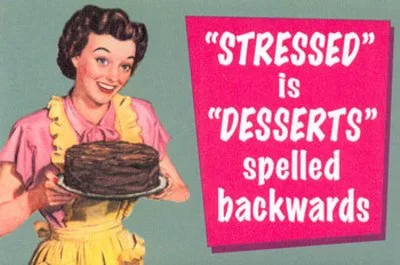 Stressed is a lot more than just desserts spelled backwards. If you're looking to improve your training and overall health, you shouldn't just make sure to get sufficient sleep, you also need to not stress. If you're stressed, you need to know how to manage it. Basically, there are two kinds of stress; acute and chronic. Acute stress immediately activates your sympathetic nervous system - to control the so called fight-or-flight response. Adrenaline and cortisol are instantly released, your heartbeat goes up and the body's oxygen as well as blood pressure and blood sugar levels increase. To relax, get back to normal again, the parasymphatetic nervous system has to step in and reverse the effects. This can be quite an exhausting process.
"After your stress goes away you may feel a physical crash - this is because of the extra glucose you've burned off. It essentially leaves you with a low supply of blood sugar, like when you haven't had anything to eat all day". Acute stress can also make the bowels work faster, leading to diarrhea and other metabolic problems. Needless to say, experiencing this kind of stress and following energy dip close to your training sessions is not the recommended preparation or recovery, neither mentally nor physically. Chronic stress is like a low-level-constant of acute stress. This means that the same process takes place, only less immediate, and all the time, plus a long list of other possible side effects such as heart problems, high blood pressure, weakened immune system, skin problems, muscle pains, headaches, backaches, diabetes, infertility, hair loss and messed up metabolism, just to mention a few. In fact, "chronic stress over an extended period of time can do as much damage to your body as smoking, not eating right and failing to exercise".Long term stress can have a more severe effect on your metabolism. As your body is always in fight-or-flight mode, cortisol is constantly dripping away and consequently down regulating the thyroid function. This can slow down the metabolism, leading to weight gain, diabetes, high blood pressure and much more. There are piles of books and research on stress management. I won't look deeper into it, but one thing that pretty much all of them agree on is the value of exercise. Exercise in itself - no matter what fitness level you're at - improves mental health and can actually prevent long term stress. High stress levels and sleep deprivation are closely linked, and they will inevitably create barriers to both exercise and healthier eating. Yes, research shows that you're more likely to choose chocolate cake over fruit when you're mentally exhausted. The abscence of exercise and a nutritious diet on the other hand, will badly affect sleep and stress levels. The health equation isn't too complicated, but it takes some effort. It's almost impossible to sort out one element but not the other. Oh, by the way, the solution isn't desserts.
There are few things I'm as passionate about as physical training and a healthy lifestyle. The two are closely linked, but they're not the same. People who are genuinely healthy without doing any form of exercise are rather rare. People who exercise without being healthy however, appear to be much more frequent. Judging from my gym floor experiences I'd even say they're quite common. Health is so much more than just exercising. Since starting as a personal trainer this insight has only grown stronger. For instance, highly stressed clients never perform well during sessions. Neither do clients who don't follow advice on how to eat before their sessions. Though the biggest failures I see are in people who's sleeping pattern is screwed up. They just can't lift anywhere near the weights they managed three weeks ago. They run out of breath while warming up. However frustrating this might be, it is completely logical. Loads of research within this field have showed that our energy levels and ability to lift heavy weights are negatively affected by sleep deprivation. Sleep also has an anti-inflammatory effect which means that insufficient levels will lead to a decreased immune system as well as poor post-training recovery. So if you're one of those who exercise for health reasons, make sure you also eat nutritiously (and enough) as well as get adequate sleep to benefit from your efforts. Training in itself won't do much good if you're unhealthy in all other aspects of life.
|